Choosing equipment for a construction or landscaping project is not always about finding the biggest machine available. The better choice is the machine that matches the work, ground conditions, attachments, and space available on the job site. A skid steer or compact track loader can handle many tasks, but understanding its capabilities before starting can save time, reduce unnecessary machine movement, and make the work easier to control.
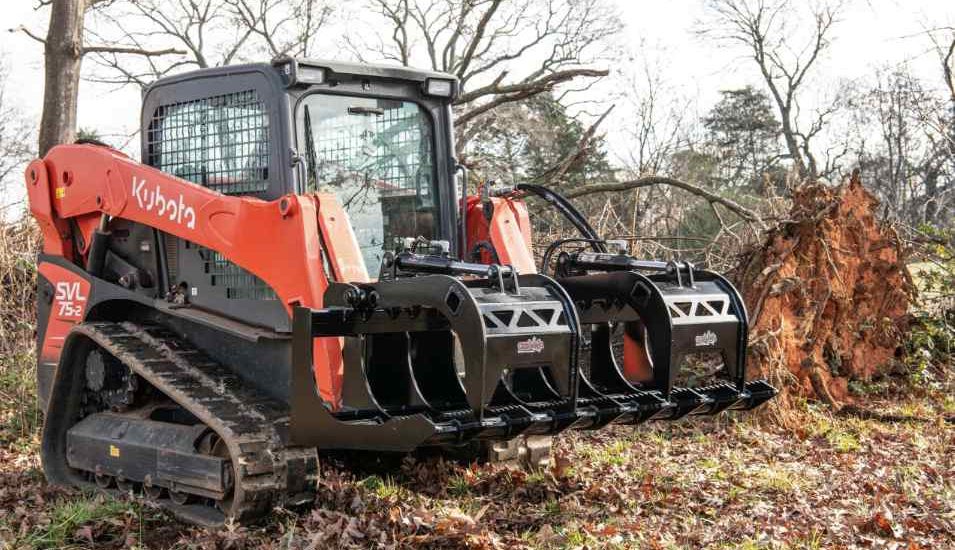
For example, the Sniper Rentals equipment information for the Kubota SVL65-2 describes a machine with 68.3 horsepower, advanced hydraulic controls, two-speed travel, and a rated operating capacity of approximately 6,500 pounds. Those specifications are useful because they show why the right machine should be selected according to the actual demands of a project rather than appearance alone.
Start With the Job, Not the Machine
Before choosing equipment, write down exactly what needs to be done.
A project may involve:
- Moving soil
- Grading a surface
- Removing construction debris
- Moving pallets
- Preparing a building site
- Digging or trenching
- Loading material
- Clearing vegetation
- Moving heavy landscape materials
Each task places different demands on the equipment.
For example, grading requires good control and visibility, while moving heavy materials requires adequate lifting capacity and stability. Digging may require a completely different attachment from the one used for basic material handling.
Starting with the task makes the equipment decision much easier.
Understand Rated Operating Capacity
One of the most important specifications to understand is rated operating capacity, or ROC.
ROC gives an indication of how much weight a machine can safely handle under defined operating conditions. It should not be treated as a simple number that tells you exactly how much material you can put into a bucket.
Load type, attachment weight, lift height, terrain, and machine position all affect how equipment behaves.
Before lifting a heavy load, operators should understand the manufacturer’s operating limits and follow the instructions provided for the machine and attachment.
Why Load Weight Is Only Part of the Equation
A pallet of material may have a known weight, but that does not mean every machine can move it safely.
You also need to consider:
- How far the load extends from the machine
- Whether the ground is level
- Whether the attachment is rated for the load
- How high the material needs to be lifted
- Whether the load is stable
- Whether people or structures are nearby
Safe material handling requires looking at the entire operating situation.
Match the Attachment to the Task
A versatile machine becomes much more useful when paired with the correct attachment.
A standard bucket can handle common tasks such as moving soil, gravel, and debris. Other jobs may call for pallet forks, augers, trenchers, or specialized tools.
Before renting or operating an attachment, confirm that it is compatible with the machine and appropriate for the material being handled.
Common Attachment Uses
Bucket:
Useful for digging, scooping, grading, and moving loose material.
Pallet forks:
Designed for transporting palletized materials and loads that cannot be handled effectively with a bucket.
Auger:
Useful when creating holes for posts, signs, landscaping features, or similar applications.
Trencher:
Designed for cutting narrow trenches for suitable utility or landscaping applications.
The attachment should be selected before the machine arrives, not after work has already started.
Consider Ground Conditions
Ground conditions can have a major effect on equipment performance.
A compact track loader can be useful where reduced ground pressure and improved traction are important. However, tracks do not make a machine immune to soft, unstable, or uneven ground.
Inspect the work area before beginning.
Look for:
- Soft soil
- Mud
- Slopes
- Holes
- Buried utilities
- Drainage areas
- Loose material
- Obstacles
- Overhead hazards
If ground conditions change during the project, the operating approach may need to change as well.
Think About Space and Maneuverability
A machine that has plenty of power may still be a poor choice if it cannot move comfortably around the job site.
Measure narrow gates, driveways, access roads, and work areas before equipment arrives.
Also consider the space needed to turn, load, unload, and position the machine.
When working near buildings, curbs, landscaping, or other finished surfaces, precise control becomes especially important.
Operator Familiarity Matters
Machine controls can differ significantly between models.
Before starting productive work, the operator should understand:
- Steering and travel controls
- Hydraulic controls
- Attachment operation
- Parking procedures
- Emergency controls
- Load limits
- Safety systems
- Inspection requirements
A short familiarization period can prevent mistakes once the machine is carrying a load or operating near other workers.
Operators should also follow applicable training and workplace requirements rather than assuming experience with one machine automatically qualifies them to operate another.
Plan the Work Before the Equipment Arrives
Good planning can reduce unnecessary machine movement.
Map out where material will be collected and where it needs to go. Establish travel paths and decide where trucks, pallets, debris containers, or other equipment will be positioned.
For grading work, identify the desired finished elevation before beginning.
For cleanup, determine where debris will be placed.
For material handling, establish a safe loading and unloading area.
A few minutes of planning can save considerable machine time.
Avoid Using the Machine for Every Task
A skid steer is versatile, but versatility does not mean it should perform every job.
Some work may require excavation equipment, lifting equipment, aerial equipment, or specialized tools instead.
Trying to force one machine into an unsuitable task can reduce productivity and increase risk.
The better question is not, “What can this machine do?” It is, “Is this the safest and most efficient machine for this particular job?”
A Simple Equipment Checklist
Before beginning, confirm:
- The machine has enough capacity for the planned loads
- The attachment matches the task
- The work area has been inspected
- Operators understand the controls
- Ground conditions are suitable
- Overhead and underground hazards have been considered
- Materials are stable before moving them
- People are kept away from dangerous operating areas
- The manufacturer’s operating instructions are available
Final Takeaway
The best equipment choice starts with understanding the work. Power, lifting capacity, attachments, ground conditions, access, and operator experience all matter.
A properly matched skid steer or compact track loader can make grading, cleanup, material handling, and site preparation much more efficient. But good results depend on more than machine specifications. Careful planning, suitable attachments, safe operating practices, and realistic load expectations are what turn capable equipment into productive equipment.