When embarking on a construction project, one of the most critical aspects to consider is how to manage the bulk delivery of concrete. It’s a process that demands precision, efficiency, and flexibility.
Among the myriad of tools and techniques at their disposal, professionals often rely on cement kibbles, an essential yet underappreciated hero in the construction world. But how exactly does this process unfold, and what makes it so crucial for building projects?
Let’s dive into the details of managing bulk concrete delivery from the perspective of those in the field.
The Role of Cement Kibbles
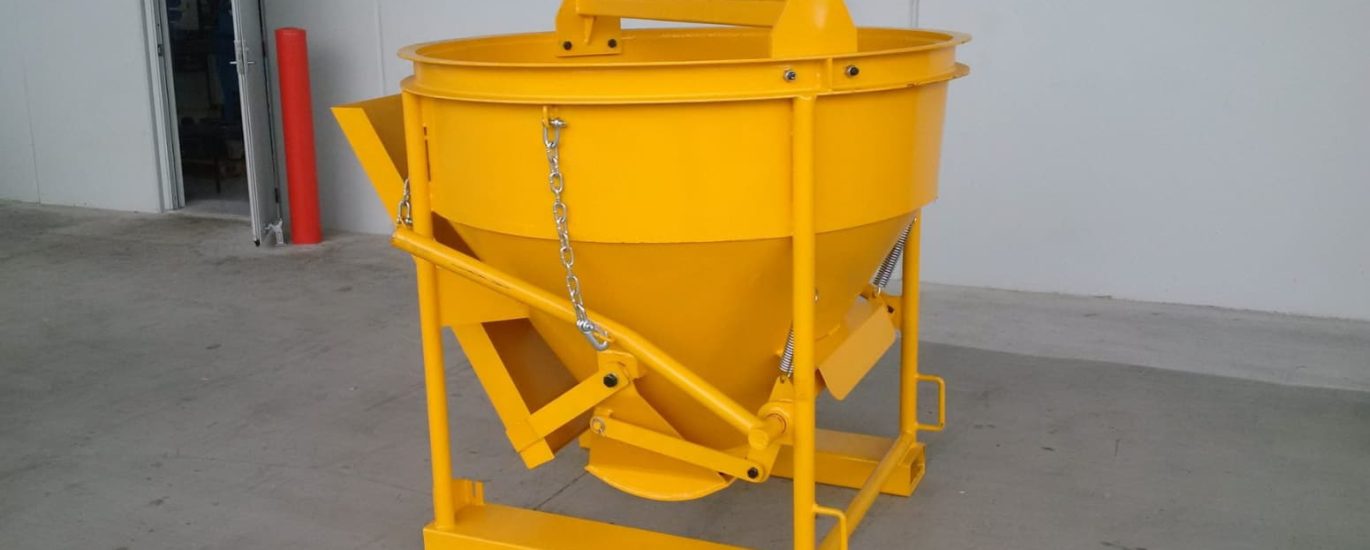
Before we delve deeper into the process, let’s take a moment to understand what cement kibbles are. Essentially, they are strong, durable containers designed for the efficient transport and delivery of concrete on construction sites.
Their design allows for easy attachment to cranes or other lifting equipment, making them an indispensable tool for transferring concrete, especially in large quantities or to elevated areas.
The Journey of Concrete Delivery
The journey of concrete delivery is a critical pathway that bridges the gap between raw materials and finished structures. It’s a multifaceted process that involves several key steps, each crucial for ensuring the quality and integrity of the construction project.
Step 1: Planning and Coordination
The journey begins with meticulous planning. Construction professionals must determine the quantity of concrete needed, considering the project’s specifics and potential obstacles.
This stage involves coordinating with concrete suppliers, scheduling deliveries, and ensuring the site is prepared for the arrival of the materials. Effective communication between all parties is paramount to avoid delays and ensure the smooth progression of the project.
Step 2: Mixing and Preparation
Once the plans are set, the next step is the preparation of the concrete mix. This process can occur off-site, at a batching plant, where the concrete is mixed to the project’s specifications.
The composition of the mix is crucial, as it needs to meet the structural requirements of the build. After mixing, the concrete is loaded into mixer trucks, which are ready for transportation to the construction site.
Step 3: Transportation
Transporting the concrete is a race against time. Concrete needs to be used within a certain timeframe to maintain its quality and integrity. This is where the efficiency of kibbles shines.
By using these containers, professionals can ensure that the concrete is transported swiftly from the mixer truck to the exact location it’s needed on the site, whether it’s at ground level or several stories high.
Step 4: Pouring and Curing
Upon arrival, the concrete is poured into the designated area. Skilled workers then spread, shape, and compact the concrete, using various tools and techniques to ensure it conforms to the required dimensions and surface finish.
After pouring, the concrete must be properly cured, a process that involves maintaining adequate moisture and temperature conditions to allow the concrete to achieve its maximum strength.
Conclusion
The management of bulk concrete delivery is a complex ballet that requires precision, foresight, and coordination. Cement kibbles play a pivotal role in this process, offering a practical solution for the efficient and safe transportation of concrete.
As construction projects continue to evolve, the methods and tools used in concrete delivery will also advance, but careful planning, quality control, and effective communication will remain the foundation of successful project completion.